Decoded specs plus federal title records
NHTSA decoding data, NMVTIS brands and 50+ more sources.
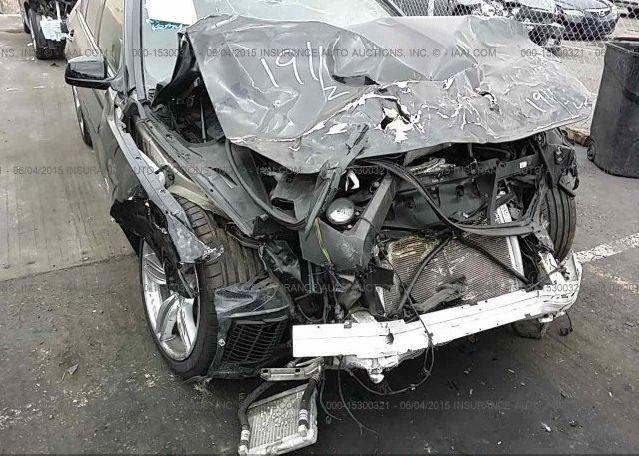
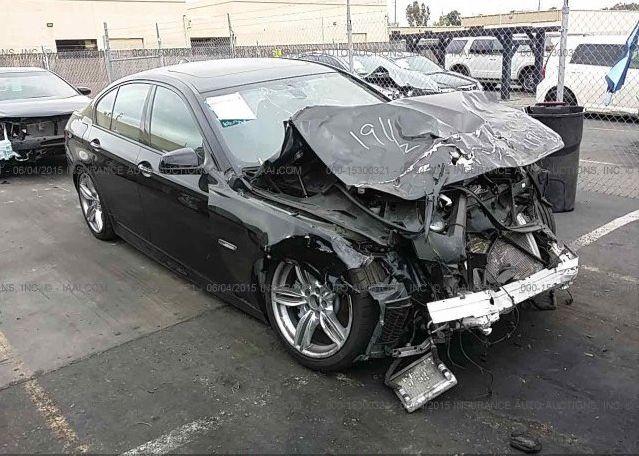
Each picture below is cut from one finished report: a salvage-branded BMW 535i from 2012, decoded and then checked.
Once the VIN is decoded, one screen counts its title records, readings, auctions, listings and open recalls.
Records found for this VIN
5
Title records
4
Odometer readings
1
Brand records
0
Open recalls
3
Auctions
6
Sale listings
NMVTIS brand codes (salvage, junk, rebuilt, flood, lemon) set beside the vehicle you just decoded.
Title brands (NMVTIS)
A dated list of readings. One that falls under an earlier figure is the line to ask the seller about.
Mileage over time
4 readings
Crashes on file, rated by severity, with airbag deployment and a guess at the cost of fixing the car.

Each lot the car passed through: what it sold for, how the damage was described, and the photos.

$9,100Filings by yards, junk dealers and insurers, each with a place and a date attached.
Salvage and junk records
7Also in every report
Sample report
The same BMW 535i, read section by section, so you can see where a salvage past turns up.
SAMPLE REPORT · AUCTION PHOTO2012 BMW 5-Series 535i
WBAFR7C57CC811956
VIN WBAFR7C57CC811956
5
Title records
4
Odometer readings
1
Brand records
7
Salvage / junk
0
Open recalls
0
Owners
3
Auctions
6
Sale listings
2 reported collisions · Front · Severe, Left side · Minor · Possible structural / frame involvement — get a professional frame inspection before buying.
Derived damage map
Estimated repair cost
$6,450–$10,100
This VIN has no direct accident feed. The diagram and repair estimate are derived from the auction damage descriptors and salvage records found in this report. Estimate only, not a repair quote.
Real report, copied from the full sample. Not shown here: the 25-event timeline and the NMVTIS brand-code glossary.
Open the full sample reportWhere the data comes from
Each VIN is run past 50+ sources, giving 40+ data points per car. These eight do most of the work.
Where to find the VIN
Copy the code slowly, since one wrong character decodes to a different vehicle. A VIN never contains the letters I, O or Q.
Stand outside and peer in at the lower corner of the windshield, driver's side.
A label on the door edge or the pillar carries the full code.
Title, registration and insurance card each print the number.
How it works
Drop the code into the search field at the top of this page.
The page shows year, make and model, and tallies the title, auction and recall entries found.
Ready in less than a minute, and kept in your account to reopen later.
Decoding the preview is free. Credits in a pack stay valid for a year.
1 report
$14.99
Single car
3 reports
$35.99
$12 each
5 reports
$54.99
$11 each
10 reports
$89.99
$9 each
Questions
It reads the code as year, make, model, factory options and original MSRP. The history report then adds the title, accident, mileage and auction records filed under that VIN.
No. A decode describes the car as it was built. The history report covers what came after: brands, crashes, odometer readings, owners and recalls.
Look at the dashboard where it meets the windshield on the driver's side, at the driver's door jamb label, or on the title, registration and insurance card.
Cars, trucks, SUVs and vans from 1981 onward, the year VINs became 17 characters, across all major makers.
Previewing a VIN is free. One full report runs $14.99. Buying 3, 5 or 10 together costs $35.99, $54.99 or $89.99, paid once, with the credits good for 12 months.
Those letters look too much like digits, so VINs leave them out. If your copy has one, a character was misread and the decode will fail or point to another car.
A valid VIN brings up the free preview right away. The full report is generated in under a minute.
Start with the free preview, then read what is on file.